
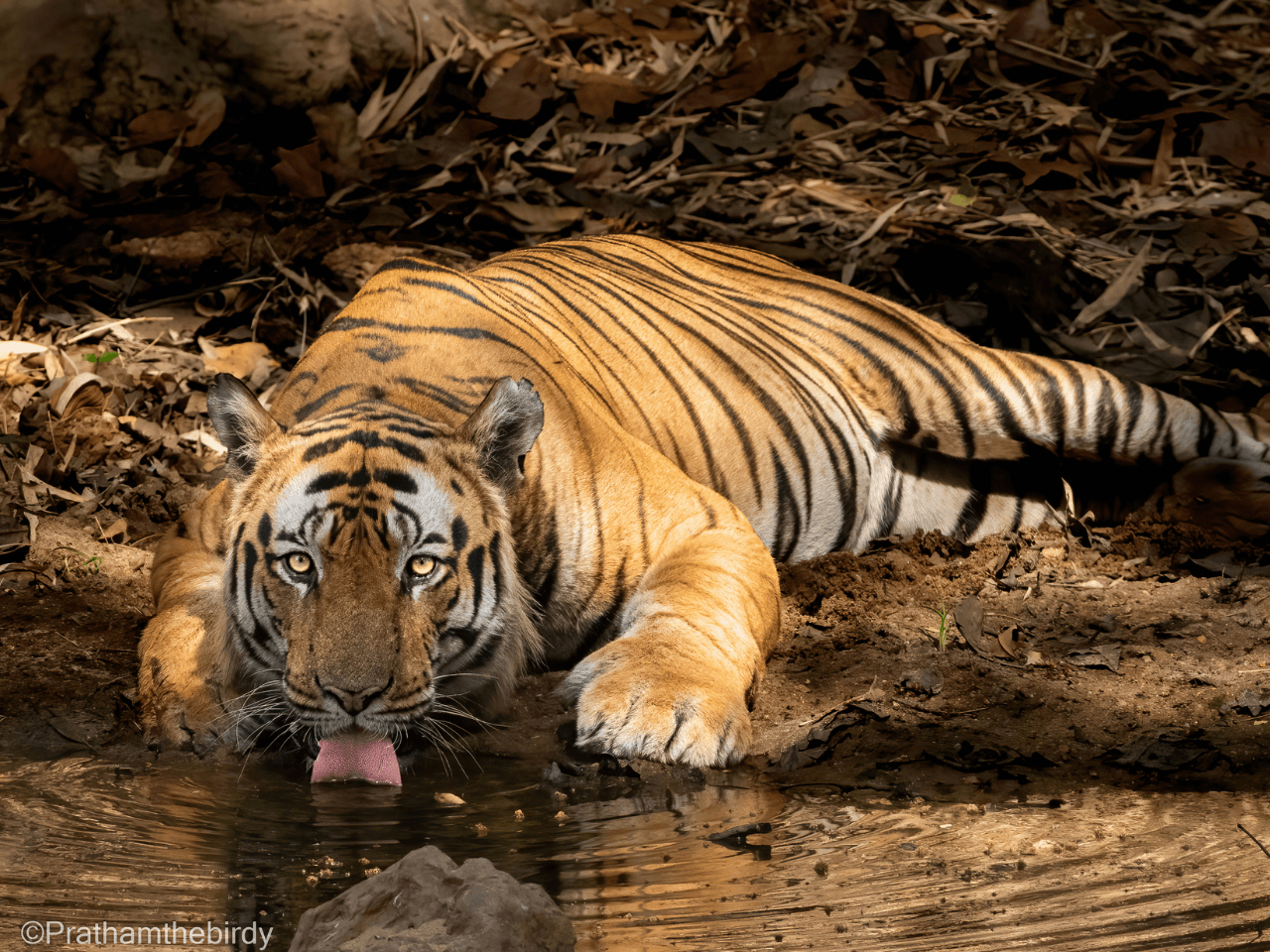
Tiger Safari Near Mumbai
Believe it or not, the “Urban Jungle” of Mumbai was once a literal one. Historical records confirm that the Royal Bengal Tiger was once a resident of these very islands.
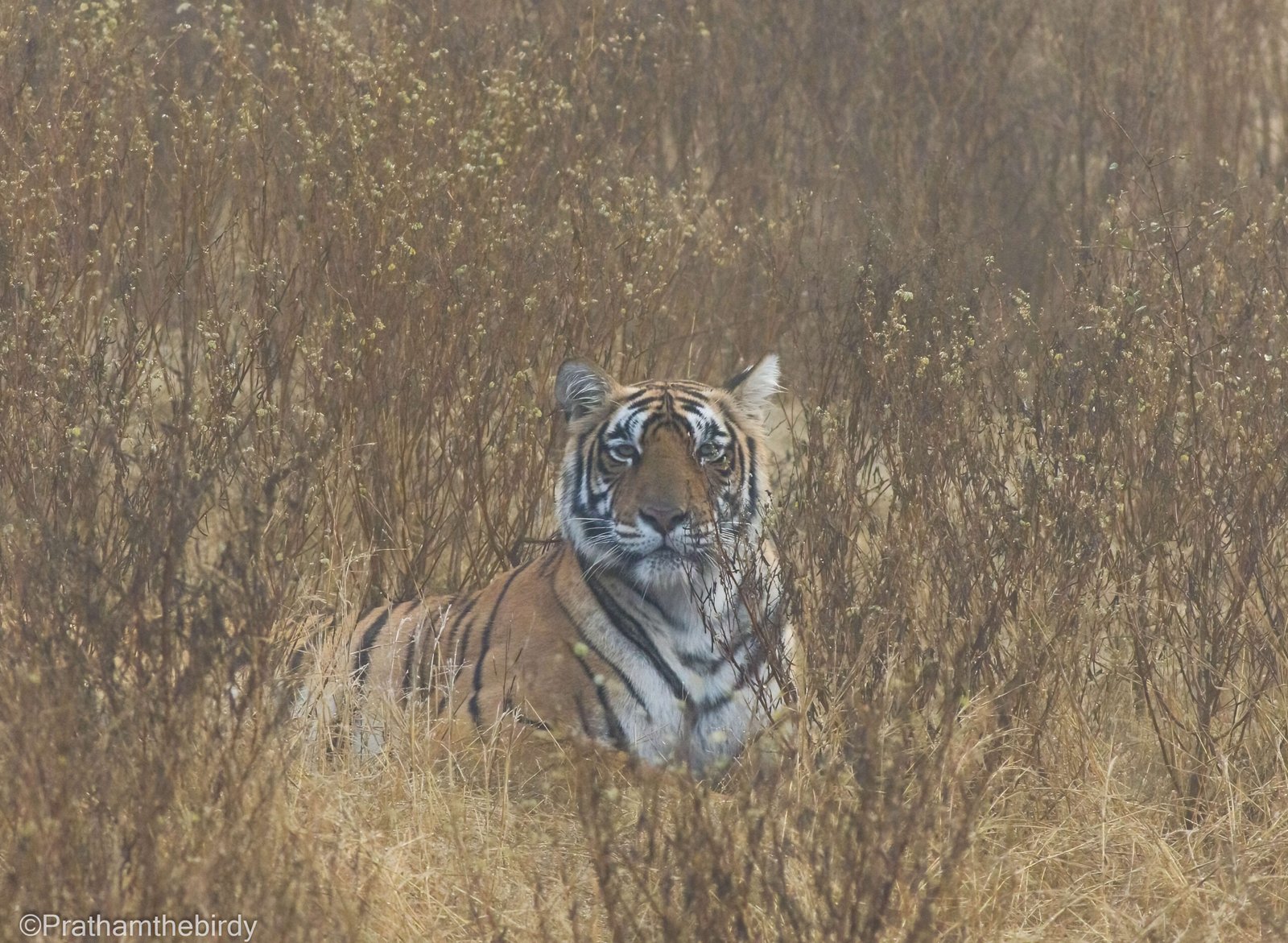
In February 1822, a tiger was famously spotted quenching its thirst at Gowalia Tank before vanishing back into the thickets of Malabar Hill. By the late 19th century, tigers were still frequent visitors; records show one was shot in the Mahim woods in 1858, and another was intercepted swimming across the harbour toward Mazagon in 1829!
The most legendary encounter, however, happened much later. On Tuesday, January 22, 1929, a large tiger was shot in the vicinity of Vihar Lake (then Vehar) in Salsette. The animal was taken down by a hunter named Mr. J.J. Sutari. Accounts state that the tiger walked out of the shadows into the moonlight, just 12 yards from where Mr Sutari was waiting. This majestic animal had likely swum across the Thane Creek from the mainland to reach the island.
While the city has since traded its forest canopy for skyscrapers, these stories remind us that the legacy of the tiger is deeply etched in Mumbai’s history.
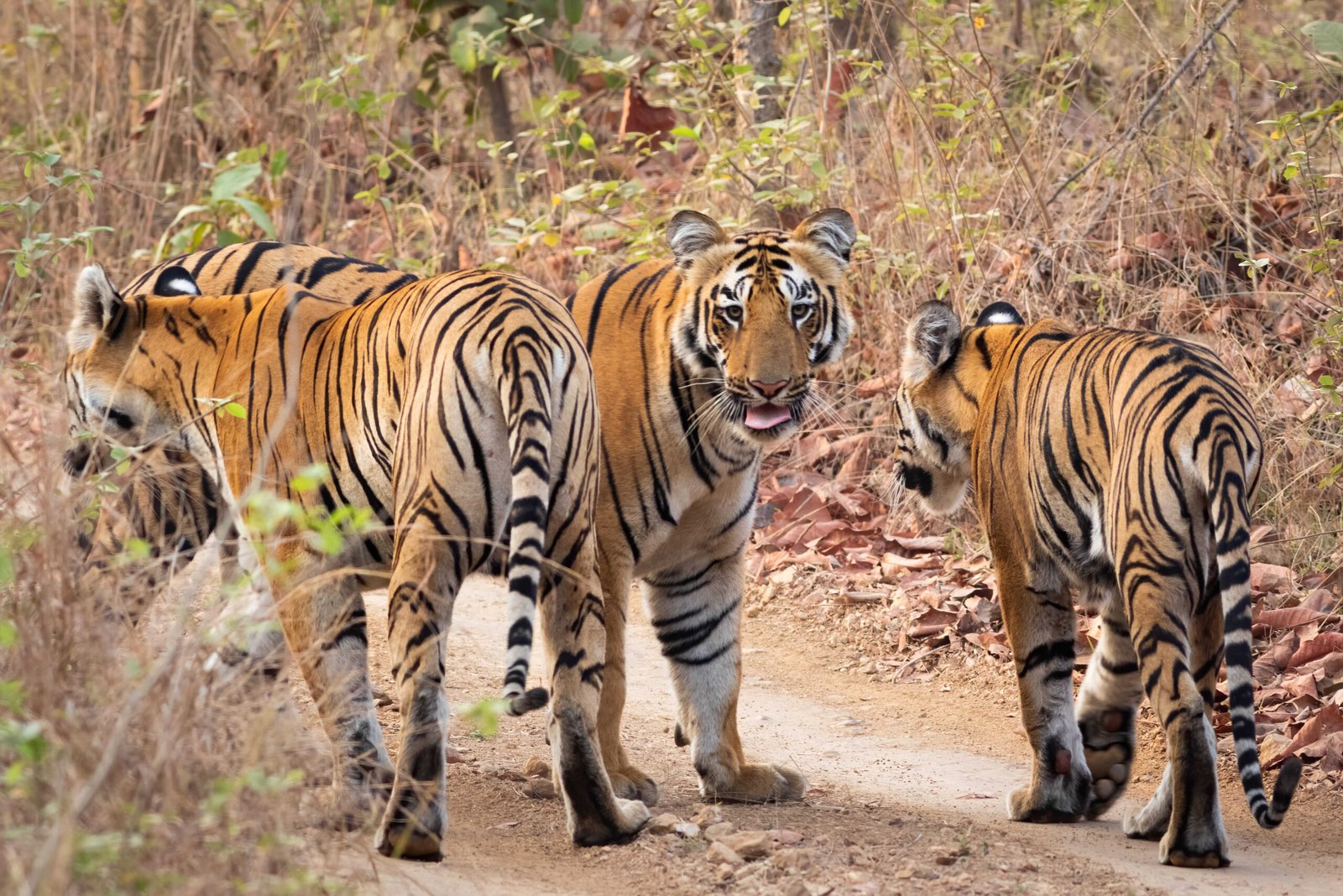
Seeking Tigers in Mumbai Today: The “City” Options
If you are looking for a tiger experience within city limits today, your options are limited to captive environments. While these are great for education, they offer a very different experience from a wild safari.
- Sanjay Gandhi National Park (SGNP): SGNP offers a “Lion and Tiger Safari” conducted in an enclosed bus within a large fenced area. The park also features an interactive interpretation centre that educates visitors on big cat lifestyles.
- Veermata Jijabai Bhosale Botanical Udyan and Zoo (Byculla Zoo): This is another popular spot to observe tigers up close in a controlled, zoo environment.
The Verdict: While these are excellent educational day trips, remember: these are not true jungle safaris. For the thrill of tracking a tiger in the wild, hearing the alarm calls of deer, and seeing the stripes moving through the bamboo, you need to look a little further East.
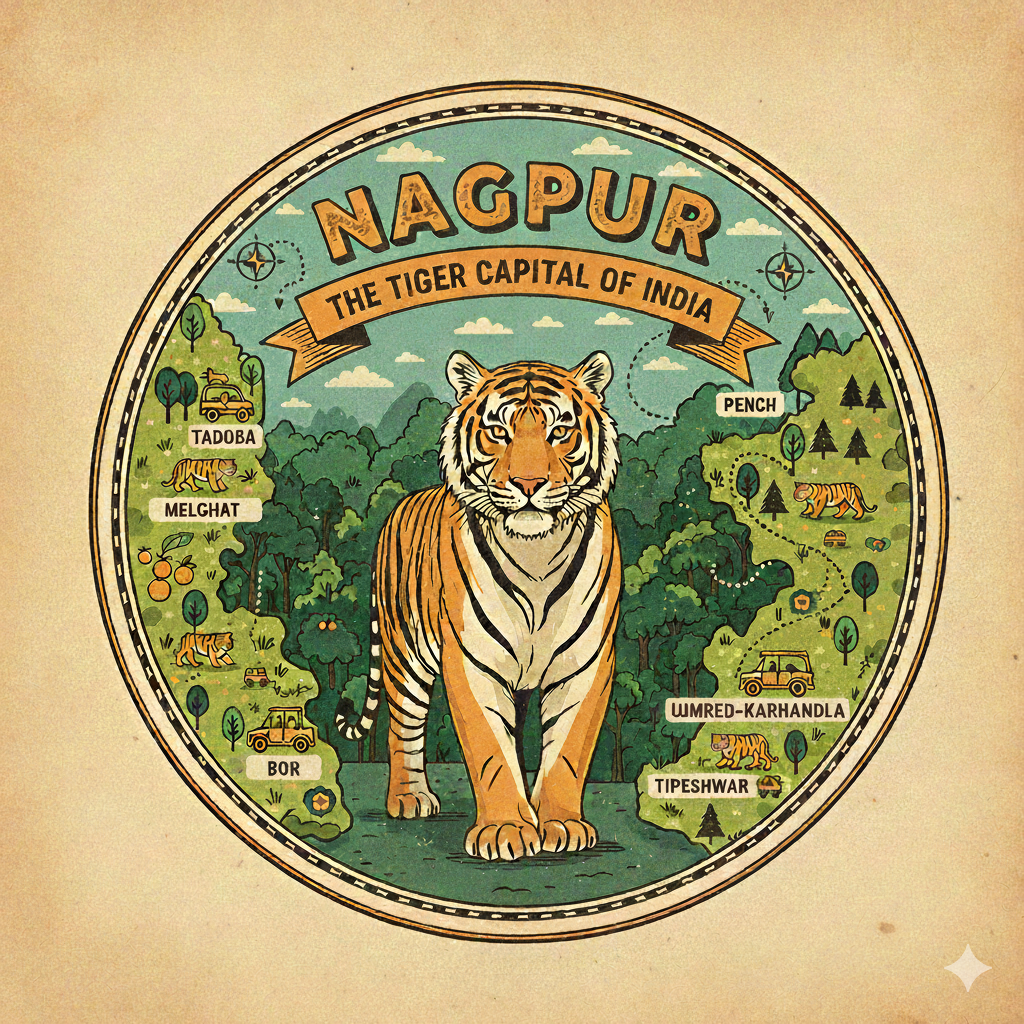
Nagpur: The Tiger Capital of India (And Your Weekend Gateway)
While Mumbai may be the financial capital, Nagpur is undoubtedly the Tiger Capital of India. Most Mumbaikars know Nagpur for its oranges and Haldiram’s, but for a wildlife enthusiast, it is the ultimate gateway to the world’s best tiger habitats.
The Game Changer: Samruddhi Mahamarg Thanks to the newly operational Samruddhi Mahamarg (Mumbai-Nagpur Expressway) and excellent flight and train connectivity, the wild heart of India is now closer than ever. What used to be a long journey is now a smooth drive, making these premier tiger reserves accessible for quick getaways.
Nagpur serves as the central hub for an incredible cluster of reserves:
- The “Big Two”: Tadoba & Pench
- Tadoba-Andhari Tiger Reserve and Pench National Park are the crown jewels.
- They boast the best tourism infrastructure and historically offer the highest probability of tiger sightings in the country.
- The Rising Stars: Umred-Karhandla & Tipeshwar
- These are smaller, rapidly emerging parks.
- Umred-Karhandla and Tipeshwar have excellent tiger densities and support a rich variety of other wildlife species, offering a less crowded but equally thrilling experience.
- The Wilderness Gems: Nagzira, Melghat, & Bor
- Perfect for the true explorer who prefers rugged landscapes over luxury.
- Nagzira, Melghat, and Bor are lush, green forests where the thrill lies in the chase. If you are in the right place at the right time, watching a tiger or leopard walk through this dense greenery is an unmatched experience.
The Jungle Buddies Guide: How to Plan a Real Tiger Safari
Booking a wild tiger safari is not like booking a movie ticket; it requires strategy and timing. After spending over 15 years in the tiger tourism industry, we have identified the key elements that make or break a trip.
Here is the first and most critical rule you need to know:
– The 60-Day Rule
Let’s crack the first key element: The 60-Day Rule.
The rule is simple: if you want the best safari zones with the highest chance of sightings, you must book at least 60 days in advance.
Most national parks in India open their booking windows 60 days prior to the safari date. The only major exception is Tadoba Andhari Tiger Reserve, which allows bookings up to 120 days in advance.
Why Book Early? The perks are clear. Early planning secures you the best safari zones, where tiger activity is historically highest. These popular zones sell out almost instantly. Waiting until the last minute often leaves you with less productive zones with lower density, which can feel like a waste of time and money.
The “Last Minute” Myth. While it is sometimes possible to get lucky with a last-minute cancellation, it is a risky strategy. We strongly advise against relying on “VIP quotes” or “Tatkal bookings” promised by agents, as the chances of actually securing these are next to nil.
Pro Tip: If you are planning a trip during long weekends or festive dates (Diwali, Christmas, Holi), you need to plan even further ahead. These are “blackout dates” where demand skyrockets, and permits vanish within seconds of the booking window opening.

– Understanding Safari Zones: Core vs. Buffer
One of the most common questions we get is: “Which zone should I book?” To answer this, you need to understand the layout of India’s tiger reserves.
The Core Zone –The Core is the protected heart of the forest. These areas generally have the strictest conservation rules, no human settlements, and historically offer the highest probability of tiger sightings. Because of this, they are in extremely high demand and sell out first.
The Buffer Zone -The Buffer is the forest area surrounding the Core. While tigers and other wildlife move freely between both areas, the Buffer is often less crowded and offers stunning, scenic landscapes.
Our Expert Strategy: Which One to Choose?
- For Most Parks in India (e.g., Kanha, Bandhavgarh, Pench), We almost always recommend booking safaris in the Core Zones. This is where the density of sightings is usually consistent.
- The Exception: We only suggest a Buffer zone in these parks if there is confirmed specific activity—such as a tigress with cubs, a fresh kill, or a mating pair—that is currently happening in that area.
- Night Safaris: In Madhya Pradesh, the Forest Department hosts Night Safaris exclusively in the Buffer zones. This is a unique, “experience of a lifetime” activity that allows you to see nocturnal wildlife, like civets, owls, and occasionally tigers, under the stars.
- The Tadoba Exception: Tadoba Andhari Tiger Reserve plays by different rules. With over 21 safari gates and new ones opening every season, Tadoba’s tiger population has spread successfully into the surrounding areas. In Tadoba, the Buffer zones are ruled by their own resident tigers. This makes many Buffer gates just as productive—and sometimes even better—than the Core gates.
Our Advice for Tadoba: Don’t limit yourself. We recommend a mix of Core and Buffer safaris. This strategy increases your coverage area and significantly boosts your probability of a sighting.
– Best Time to Travel: Breaking the Myth
This brings us to the final key element: When is the best time to visit?
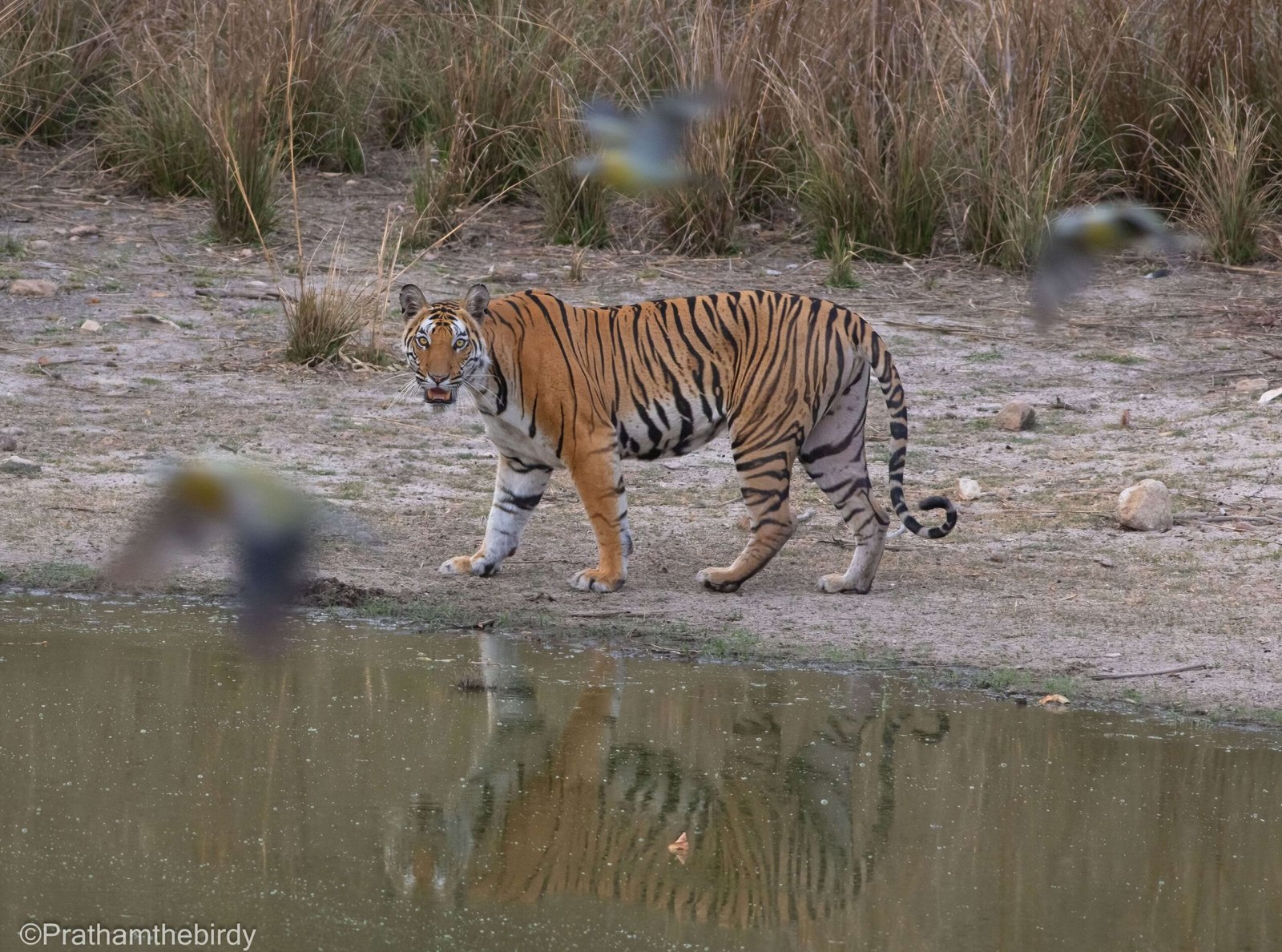
The Traditional View: Summer Traditionally, the scorching summers (March to June) were considered the “Gold Standard” for tiger sightings. The logic was simple: tigers hate the heat of Central India and would inevitably end up cooling off in waterholes. This made their location predictable and sightings almost guaranteed.
The New Reality: Sightings All Year Round. Things have changed over the years. As tiger habitats shrink but their numbers grow, the dynamics of the jungle have shifted. Today, there is intense “drama in the house of big cats.” We now see multiple males traversing the same territory, leading to territorial conflicts, new mating pairs, and mothers protecting cubs from rival males.
This increased activity means tigers are constantly on the move, regardless of the weather. Whether it is scorching hot, freezing cold, or pouring rain, the tiger is always walking. Consequently, sighting consistency has improved significantly throughout the entire season, including the monsoons.
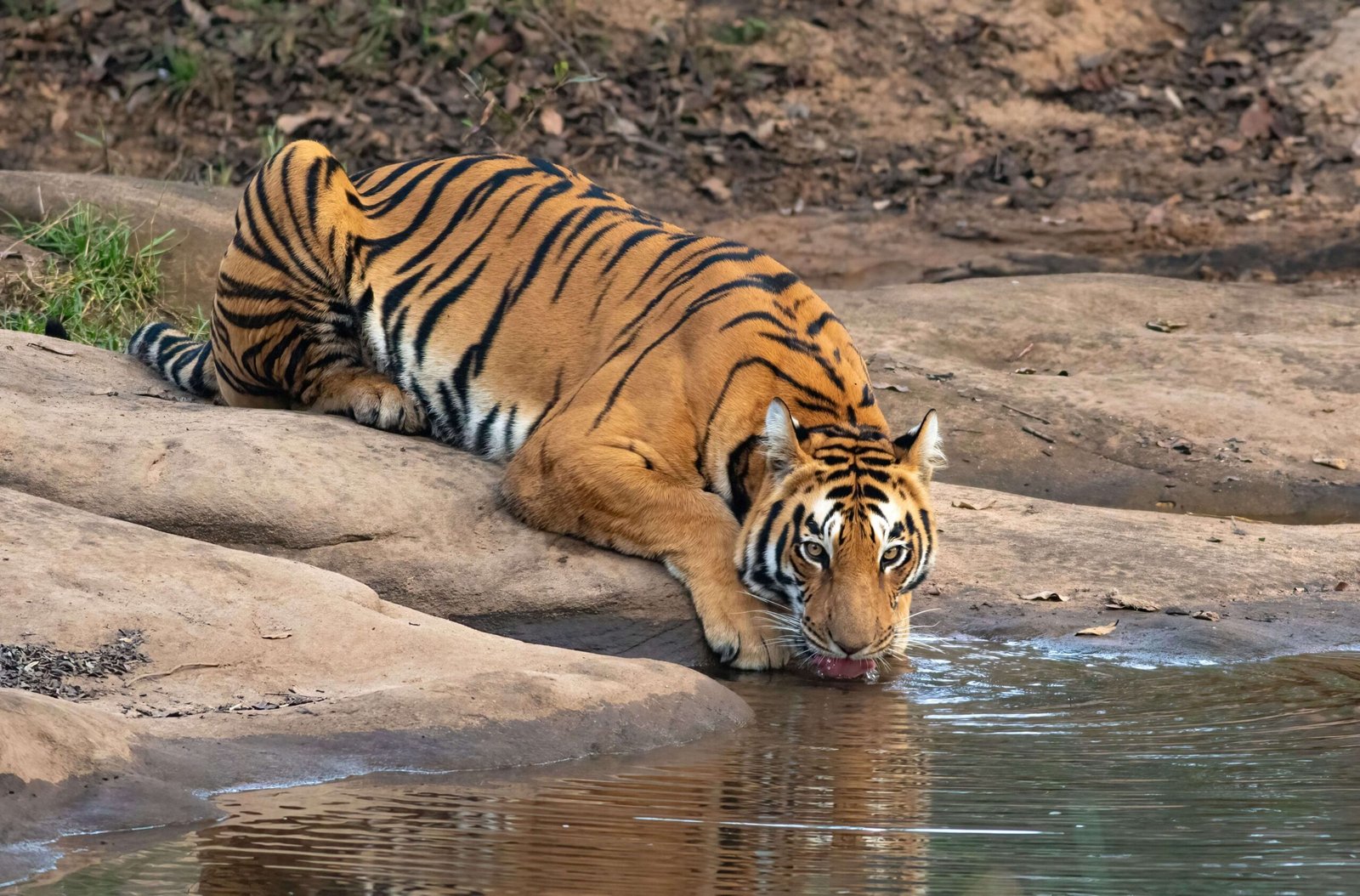
Seasonal Breakdown:
- Summer (March – June): Still the best for raw sighting frequency. As natural water sources dry up, tigers are forced to frequent the few remaining man-made waterholes.
- Winter (November – February): Perfect for those who prefer comfortable weather and magical morning light. While the forest is denser, making spotting slightly harder, the photographic opportunities are world-class.
- Monsoon (July – September): While most Core zones close, many Buffer zones remain open. This is the time for a lush, green safari. The vivid green background provides a stunning contrast to the orange coat of the tiger, a dream for photographers.
The Verdict: The moral of the story? Any time of year is a good time to be in the jungle. Rather than waiting for the “perfect season,” focus on planning well in advance (remember the 60-day rule!).

How to Book: Always ensure bookings are made via official government portals to avoid scams.
Still Confused? Let Us Handle the Logistics.
Don’t let the complex booking process stop you from seeing the King of the Jungle.
At Jungle Buddies Tours, we have partnered with India’s leading Tiger Safari experts to provide seamless, end-to-end experiences. We handle the safari permits, the best of safari zones, and the stay, so you can focus on the adventure.
Our “Nagpur Gateway” Package Includes:
- Pick-up & Drop (Nagpur Airport/Station to Resort)
- Comfortable Forest Resort Stays & All Meals
- Expertly Guided Safaris in Best Safari Zones
💰 Starting Price: INR 20,000/- per adult (3 Days / 2 Nights for Tadoba for a group of 6 passengers).
Ready to Swap the Concrete Jungle for the Real One?
As you’ve read, planning the perfect tiger safari isn’t just about luck—it’s about strategy. Don’t let the stress of booking windows and safari zones ruin your excitement.
At Jungle Buddies Tours, we have over 15 years of experience tracking tigers across India. Let us handle the logistics—from securing the best zones to timing your visit perfectly—so you can focus on the adventure. Reach out to us on +91 9821455643 or write to us at contactjunglebuddies@gmail.com